
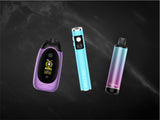
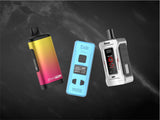
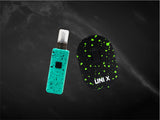
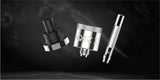












Spent good money on live resin but got weak vapor or a burnt taste? Your oil might not be the problem. Cartridge hardware, voltage, and storage all affect flavor and performance.
This guide covers cartridge types, materials, battery compatibility, and maintenance to help you understand what causes leaks, clogs, and inconsistent flavor.
Want to learn about portable electric dab rig pens? Checkout this article: The Future of Dabbing: Portable Electric Dab Rig Pens That Hit Like a Torch
- Cartridge hardware, oil type, and battery compatibility all affect flavor.
- Match cartridge hardware to the oil’s thickness to reduce clogs and leaks.
- Quality materials and ceramic coils help preserve flavor.
- Store cartridges upright, away from heat and direct sunlight.
- Clean contacts regularly and replace cracked or persistently burnt-tasting cartridges.
- Dab Pen Cartridge vs Dab Pen vs Cannabis Vape Pen
- What's Inside a Dab Pen Cartridge (and Why It Matters for Taste)
- Types of Dab Pen Cartridges by Oil: Distillate, Live Resin, and Live Rosin
- Hardware Variables That Decide Flavor: Coils, Airflow, and Materials
- Matching Cartridge Resistance and Voltage to Your Dab Pen
- Choosing the Right Dab Pen Cartridge for Your Style and Consumption Methods
- Disposable Vapes vs Reusable Cannabis Vape Cartridges
- How to Avoid Clogs, Leaks, and Burnt Hits with Dab Carts
- Keeping Flavor Fresh: Cleaning, Rotation, and When to Retire a Cartridge
- Dab Pen Batteries That Let Good Cartridges Shine
- Putting It All Together: Building a Flavor-First Dab Pen Cartridge Setup
Dab Pen Cartridge vs Dab Pen vs Cannabis Vape Pen
Terminology in this space is messy. Let's clean it up.
A dab pen is the battery and heating hardware - the device itself. Dab pens allow direct addition of concentrates into the heating chamber; you load wax, shatter, or budder manually. A dab pen cartridge (also called a dab cart or THC cart) is the removable, pre filled or refillable tank that contains cannabis oil and a heating element. Vape pens use pre-filled cartridges for convenience, and can be activated by inhaling or pressing a button.
Dab pens require higher temperatures than vape pens because they're designed for thicker concentrates. Vape pens typically use less powerful batteries than dab pens, since thin-oil cannabis vape cartridges don't need as much energy to vaporize.
Here's the quick breakdown:
- Cartridge + battery (510 setup): You buy a rechargeable battery and swap cartridges filled with distillate, live resin, or live rosin. Most flexible option.
- Dab pen (load-your-own): You place concentrate directly into a chamber or atomizer. No cart involved - just raw wax or concentrate.
- Disposable vapes: All-in-one units with a built-in, pre charged battery and non-removable cart. Disposable vapes are all-in-one devices that cannot be refilled.
Dab cartridge hardware includes 510-thread cartridges, proprietary pods, and disposables. Proprietary pods are brand-specific cartridges that snap into matching batteries, limiting your options. The 510 ecosystem gives you the widest access to cannabis vape cartridges and portable devices.
What's Inside a Dab Pen Cartridge (and Why It Matters for Taste)
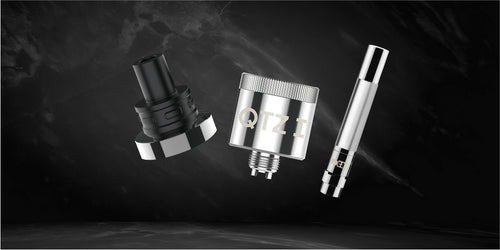
Every component between your oil and your lungs either preserves or destroys terpenes. Here's what's inside:

Tank body
Borosilicate glass is flavor-neutral and resists terpene absorption. Polycarbonate or ABS plastics can leach off-flavors at high temperatures. Modern polymers like PCTG and PETG are safer alternatives, but glass remains the gold standard for flavorful sessions.
Center post and seals
The standard vape cartridge design is 510-threaded, and vape cartridges typically use 510-threaded connections. Cheap brass or poorly plated center posts introduce metallic off-tastes. Stainless steel (SS316L or 304) stays inert. Seal materials matter too - fluoroelastomers (FKM/Viton-class) resist heat-cool cycles better than basic silicone.
Coil / heating element
Heating elements in cartridges vaporize cannabis oil for inhalation. Metal heating coils are the most common type in cartridges, but ceramic cores heat evenly and preserve delicate terpene profiles. Quartz rods heat fast and deliver dense vapor but risk scorching terpene-heavy oils.
Wick and oil flow
Intake hole size determines whether your cart handles thick live rosin (needs 1.6–2.0 mm or multiple ports) versus thinner distillate (1.2–1.4 mm works fine). Wrong match = clogging or flooding.
Airflow channels
Poorly engineered airflow causes condensation buildup, spitting, and flavor loss. Cheap gaskets warp under heat and let oil seep into airways.
Types of Dab Pen Cartridges by Oil: Distillate, Live Resin, and Live Rosin
The concentrate inside matters as much as the hardware. Cartridges are categorized by their oil extraction type and hardware format. Dab pen cartridges can contain THC distillate, live resin, or live rosin, and each behaves differently in the same cart.
Distillate
Distillate carts isolate cannabinoids through heavy processing. Distillate oil typically has a THC potency of 85% to 95%, making them highly potent but flavor-neutral. Taste comes from added botanical or cannabis-derived terpenes - think Pineapple Express profiles or dessert-style blends. They tolerate higher voltage and rarely clog, but the flavor is manufactured rather than natural.
Live resin
Live resin cartridges are made from flash-frozen cannabis plants to preserve terpenes. The result is wet, saucy oil with rich, strain-specific aroma. High-potency concentrates can range from 70% to 90% THC while carrying a much broader terpene spectrum than distillate. Concentrates can be considerably stronger than smoking ordinary cannabis flower.
Live rosin
Live rosin carts take it further: solventless extraction via ice water and pressure yields the purest terpene expression. Full-spectrum extracts retain cannabinoids and terpenes found in the plant, delivering nuanced flavor and broader effects. Dab cartridges contain highly concentrated cannabis oil called wax, and live rosin is the thickest variety - requiring hardware specifically tuned for viscous oil.
A cart built for distillate (small intake, thin wick) will clog or burn with live rosin. Conversely, hardware designed for thick oil may flood with thin distillate, causing gurgling.
Hardware Variables That Decide Flavor: Coils, Airflow, and Materials
Treat hardware selection the way you treat cannabis strains - it shapes every hit.
Coil materials
| Type | Flavor Fidelity | Heat-up Speed | Best For |
|---|---|---|---|
| Ceramic core | Excellent | Slower | Live resin, live rosin |
| Quartz rod | Good | Fast | Dense clouds, distillate |
| Metal wire + cotton | Fair | Fast | Budget carts (avoid for flavor) |
Airflow design
A tighter draw concentrates terpene perception and delivers smoother, more flavorful vapor. Open-draw designs produce bigger clouds but dilute flavor. Bottom airflow pulls vapor evenly; side airflow can create hotspots.
Materials and safety
Health risks associated with vaping concentrates may include exposure to additives or contaminants from cheap hardware. Regulated cartridges are subject to state manufacturing and labeling requirements, which helps. Prioritize lab-tested vape products with lead-free center posts, high-temp seals, and borosilicate glass. Avoid unknown brand hardware that can taint oil with metallic or plastic off-flavors.
Matching Cartridge Resistance and Voltage to Your Dab Pen
Many flavor complaints trace back to a mismatch between cartridge resistance and battery voltage - not the oil itself. Vape cartridges allow precise dosing of THC levels, but only if power delivery is dialed in correctly. Dabbing with a dab rig provides a more intense high than vaping from carts, partly because rigs let you control temperature directly; cartridge users need to get close through voltage management.
Resistance ranges: Most cannabis vape cartridges sit between 1.0 Ω and 1.6 Ω. Lower resistance draws more power at the same voltage.
Voltage sweet spots
- Live rosin / live resin: 2.0–2.5V (some rosin performs best as low as 1.8V)
- Distillate or less terpene-rich oils: 2.8–3.6V
- General flavor-first rule: start low, increase until vapor production satisfies you, stop before harshness appears
Symptoms of mismatch
- Voltage too high → burnt taste, darkening oil near the coil, harsh throat hit, loss of strain-specific flavor
- Voltage too low → weak vapor, flooded coil, gurgling sounds, wasted oil
Modern dab pens with variable voltage and pre-heat functions let you warm thick oil with short pulses before drawing, rather than cranking wattage. Use pre-heat mode to mobilize viscous live rosin instead of overheating it.
Choosing the Right Dab Pen Cartridge for Your Style and Consumption Methods
The "best" cartridge depends on how you consume cannabis. Here's how different users should think about it:
- Flavor chasers: Ceramic coil, live resin or live rosin, 0.5 g carts (consumed before oxidation sets in), low voltage.
- Heavy daily users: Distillate or live resin in 1 g carts for value; accept some flavor trade-off for potency and reliability.
- Microdosers: Small-capacity carts, low voltage, tight airflow for controlled, flavorful puffs.
Vape cartridges typically hold 0.5 to 2 grams of oil, though cartridges can hold between 0.5 to 5 grams depending on the device. For cannabis fans experimenting across many strains, smaller carts prevent oil from sitting too long and degrading. Vape cartridges typically contain cannabis oil or concentrate and are portable and easy to carry - a key advantage over other consumption methods.
Potency and effects: High-THC distillate THC carts deliver a potent, sometimes one-dimensional desired high that can leave you couch locked. Live resin and live rosin carry broader cannabinoid and terpene profiles, producing more nuanced effects - from cerebral sativa energy to deep body relaxation depending on the strain.
Compared to other consumption methods like smoking cannabis flower, using a dab rig, or eating edibles, cannabis vape cartridges strike a balance between portability, onset time, and terpene expression. Flower through vaporizer pens gives excellent flavor but less discretion. Edibles offer long duration but slow onset with flavor masked by the medium. Weed carts and vape carts sit right in the middle for most consumers.
Disposable Vapes vs Reusable Cannabis Vape Cartridges
Both options can produce quality vapor, but advanced users almost always prefer the control of a reusable 510 setup.
Reusable 510 cannabis vape cartridges
- Better long-term cost per gram
- Pair with any compatible dab pen battery for precise voltage control
- Less waste, more hardware choices
- Require buying and maintaining a rechargeable battery
Disposable vape devices
- Ultra-convenient, no charging or swapping needed
- Good for travel or sampling cannabis products and new strains
- Less control over power, more expensive per gram, limited customization
Vape pens typically use 510-threaded cartridges for compatibility, and staying within the 510 ecosystem gives you the widest access to cannabis vaporizers and dab carts. THC cartridges can be pre filled or refillable with cannabis oil, adding another layer of flexibility that disposables simply can't match.
Treat disposables as occasional options. Keep a dialed-in refillable cartridge plus battery as your daily driver.
How to Avoid Clogs, Leaks, and Burnt Hits with Dab Carts
Many "bad cartridge" experiences are fixable with better habits, not better hardware.
Storage
Keep carts upright, cool, and out of direct sunlight. Above roughly 40°C (104°F), oil thins enough to leak past seals. Most vape cartridges have a shelf life of up to one year. Proper storage can prolong a cartridge's potency and flavor well within that window.
Anti-clog techniques
- Warm the cart in your hands for 30 seconds before hitting
- Use pre-heat or take 2–3 light primer puffs
- Clean the mouthpiece periodically with a cotton swab and isopropyl alcohol

Leak prevention
Don't over-tighten or under-tighten the 510 connection - both damage seals or create gaps. Never leave a hot device in a car or tight pocket.
Burnt-hit avoidance
Don't chain-hit thick live resin or live rosin carts. Allow 5–10 seconds between pulls. If flavor drops or oil near the coil darkens rapidly, reduce voltage immediately.
Keeping Flavor Fresh: Cleaning, Rotation, and When to Retire a Cartridge
Even premium hardware loses flavor over time without maintenance.
Basic cleaning
Wipe the 510 contacts on both your battery and dab pen cartridge with a dry or lightly alcohol-dampened swab. Residue on threads disrupts electrical contact and causes inconsistent power delivery.
Avoid ghost flavors
Don't jump between wildly different flavor profiles - say, a dessert bud strain and a citrus-heavy sativa - on the same pen without cleaning the mouthpiece.
Signs a cart is done
- Oil has darkened significantly around the coil
- Persistent burnt taste even at your usual low voltage
- Sputtering, no vapor, or visible cracks in the tank body
Rotation strategy
Heavy users should keep 2–3 vapes in rotation. This prevents overheating a single cart, spreads wear, and lets you enjoy various forms of terpene profiles without rushing through any one cartridge.
Dab Pen Batteries That Let Good Cartridges Shine
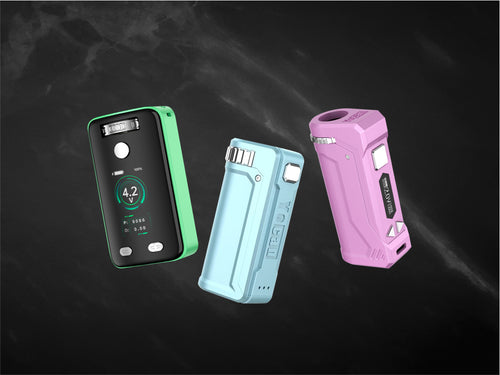
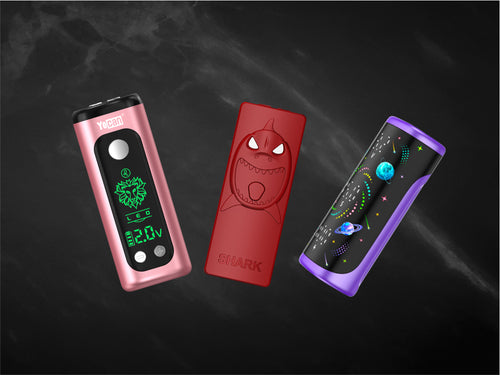
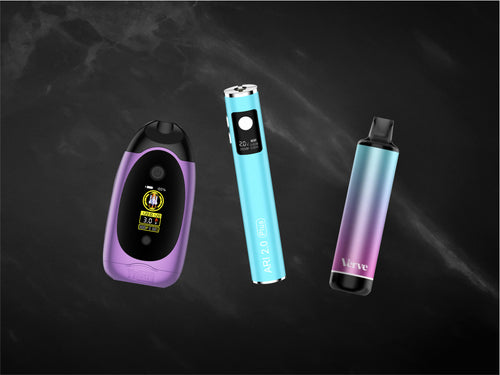
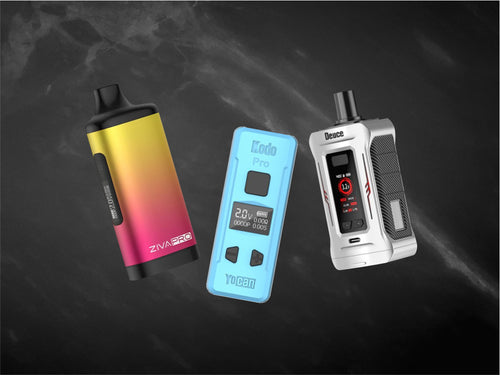
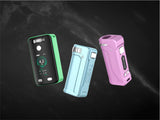
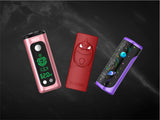
The best dab pen cartridge in the world won't perform if your battery can't deliver stable, adjustable power. Here are Yocan batteries built for precise voltage control with 510-thread cannabis vape cartridges:
UNI 3.0 Plus

Adjustable voltage range that reaches low enough for live resin and live rosin. Accommodates different cartridge heights and diameters, making it compatible with slim and wider THC carts alike. A go-to for flavor-first sessions.
Learn more about UNI 3.0 PlusZiva 2.0
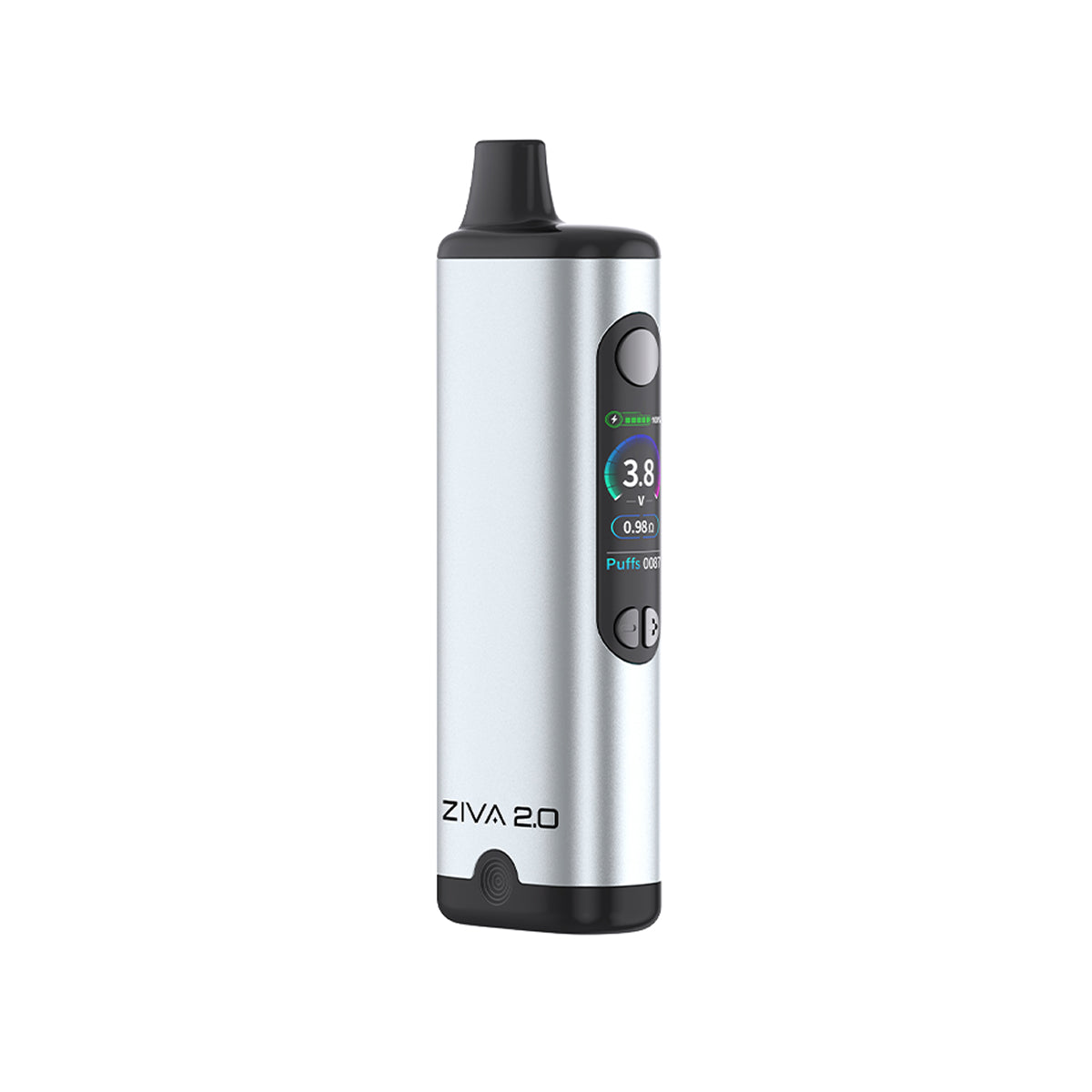
Compact, stealthy design with precise power output. Ideal for microdosing and daily carry with standard or premium cannabis vape cartridges.
Learn more about Ziva 2.0Lux 2.0

Pen-style form factor with variable voltage control. Its smooth low-voltage range pairs well with terpene-rich dab carts without sacrificing vapor density.
Learn more about Lux 2.0ARI 2.0

Tube-style portability with fine voltage adjustment. Reliable across distillate and live resin cartridges.
Learn more about ARI 2.0Flat 2.0
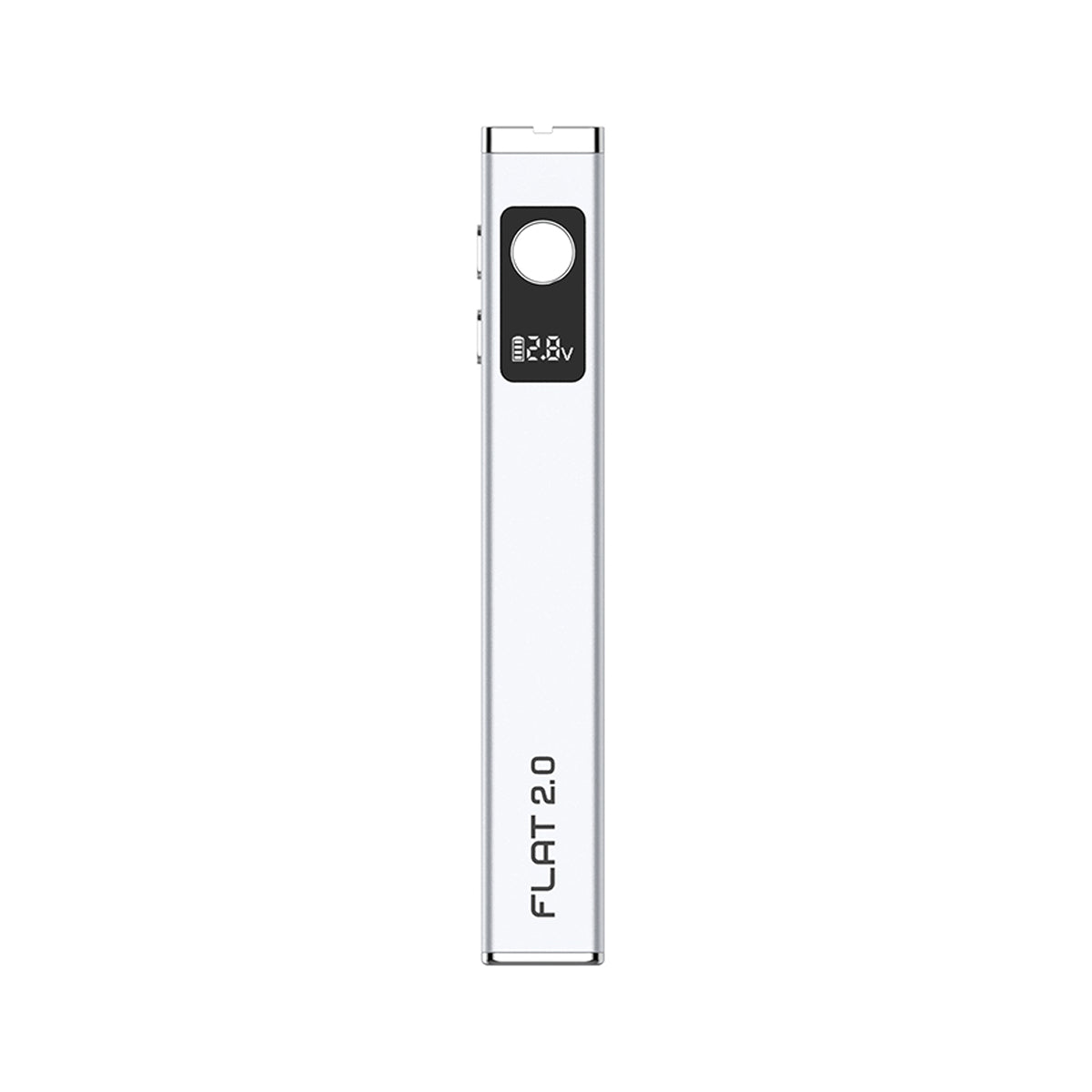
Flat-profile battery that slips into a pocket. Supports 510-thread dab carts with enough voltage range to handle everything from thin distillate to thick rosin.
Learn more about Flat 2.0HITO
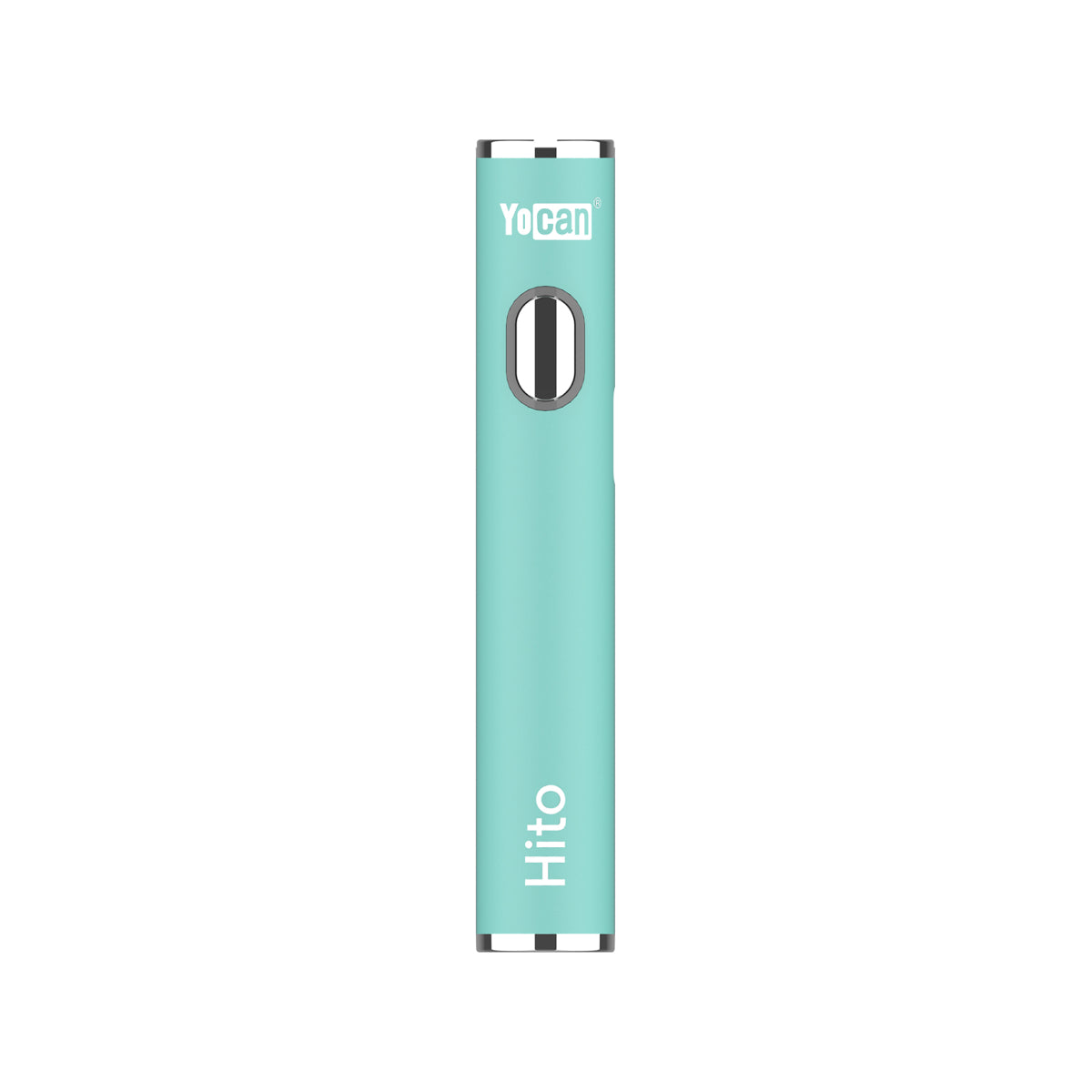
Ultra-slim design for users who want discretion without giving up voltage control. Delivers consistent power that keeps terpenes intact across long sessions.
Learn more about HITOAll six work with any 510 cart and offer the kind of stable, low-voltage output that other batteries in this price range often lack.
Putting It All Together: Building a Flavor-First Dab Pen Cartridge Setup
Every great-tasting hit comes from a system, not a single component. Here's your recap:
- Oil type: Distillate for simplicity and high potency; live resin for strain-specific flavor; live rosin for peak terpene expression
- Cartridge hardware: Ceramic coils for flavor, quartz for speed; glass tank for purity; properly sized intake holes for your oil's viscosity
- Battery and voltage: Variable voltage dab pen starting at the lowest reasonable setting, adjusted upward only until vapor satisfies - never past the point of harshness
- Storage and maintenance: Upright, cool, clean contacts, rotated regularly
Flavor checklist for your next purchase
- Identify your oil type (distillate, live resin, live rosin)
- Verify 510 compatibility and inspect build quality (glass tank, ceramic coil, quality seals)
- Pair with a variable-voltage dab pen battery
- Start at the lowest voltage setting and work up
- Store upright, clean contacts weekly, retire carts that taste off
Whether you prefer cannabis vape cartridges, dab pens loaded with raw concentrate, or the occasional disposable, prioritizing quality hardware, proper settings, and good maintenance is how you stop wasting flavor - and start tasting what you actually paid for.